The Physical Side of Mental Wellness: How Recovery Practices Support Mood, Sleep and Stress Relief
If you’re dealing with sore muscles, tightness or physical fatigue, you’re probably focused on physical relief. The recovery practices that help your body feel better also have a powerful impact on your mood, sleep and stress levels. Your body and mind are deeply connected. By being more deliberate about your physical recovery, you also enhance your daily mental function.
Why Physical Recovery Matters for Your Mental Health
When your body is under strain, whether from workouts, long hours sitting or daily stress, it affects your muscles and activates your stress response. This means your heart rate stays elevated, your muscles remain tense and your body produces more stress hormones. Over time, it can leave you feeling mentally drained, irritable or anxious.
The good news is that recovery works both ways. When you help your body relax and repair, you also signal to your brain that it’s safe to slow down. This is why physical recovery practices can improve your mood, reduce stress and help you feel more balanced overall.
4 Recovery Practices and Benefits
Here are several physical practices that can help you relieve stress quickly.
1. Exercise Helps Relieve Tension While Boosting Mood
If your muscles are sore, movement might feel like the last thing you want, but gentle exercise is actually one of the best ways to recover. Low-impact activities like walking, stretching or light cycling increase your blood flow, helping reduce stiffness and speed up recovery.
Simultaneously, movement supports your mental health by helping regulate stress and improving overall mood. It can also improve sleep and enhance your immune system. Even a short walk can make a difference. Remember to stretch before and after physical activity to reduce the risk of injury.
2. Sleep Serves as a Physical and Mental Reset
If you’re not sleeping well, your body and mind can’t fully recover. During sleep, your body repairs muscle tissue and resets key systems that control stress and mood. However, poor sleep can leave you feeling physically and mentally exhausted.
If your muscles feel constantly sore or your stress feels challenging to manage, your sleep habits may need attention. Try keeping a consistent sleep schedule and giving your body time to fully rest. It’s also important to avoid electronic devices and consuming sugar, caffeine or alcohol right before going to sleep.
3. Massage Therapy for Physical Relaxation
When your muscles are tight or sore, massage and hands-on recovery techniques can provide immediate relief. Massage therapy helps reduce muscle tension, improve circulation and promote relaxation throughout your body. As your muscles loosen, your nervous system may feel more relaxed.
4. Breathwork Supports Nervous System Regulation
While stressed or in pain, breathing often becomes shallow. This keeps your body in a state of tension, so breathwork can help break that cycle. Slow, controlled breathing can lower your heart rate and help you relax.
Breathing techniques can improve emotional regulation and reduce stress levels. To try box breathing, inhale slowly through your nose for four seconds, hold for four seconds, exhale for four seconds and hold for another four seconds. You can do two or three seconds if four feels like too much at first. This can be done routinely or as needed to combat stress.
How to Start a Simple Recovery Routine
Headaches, muscle tension and digestive problems can be physical signs of ongoing stress. If you only address the mental side or the physical side, the remaining tension can keep the cycle going. That’s why combining different recovery practices is a good idea.
A holistic strategy for mental wellness encompasses several key components, including sufficient sleep, regular physical activity, and seeking professional support as needed. Building a comprehensive mental health approach also includes focusing on social connection, nutrition and other evidence-based practices that work together to support both body and mind.
To relieve stress and build sustainable recovery practices for both physical and mental health, you can focus on small, consistent actions:
- Move your body daily, even if it’s just a short walk
- Prioritize seven to nine hours of sleep nightly
- Practice stretching or mobility work regularly
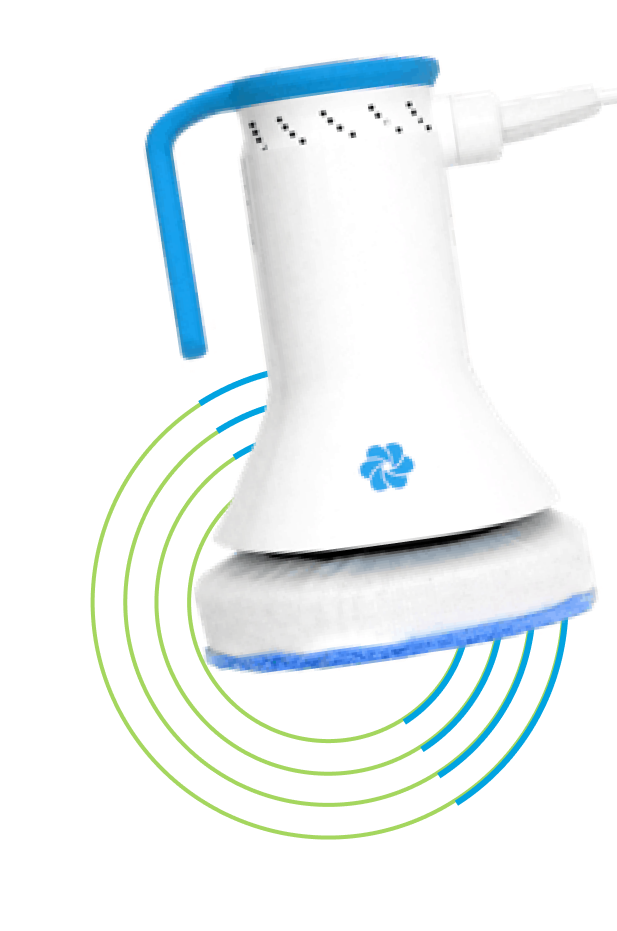
- Use a massager, foam roller or similar tools for sore areas
- Breathe deeply for a few minutes daily or in response to stressors
Make physical and mental recovery a consistent part of your routine by scheduling them daily. If you miss a day, simply resume your practice the following day. The goal is consistency, not perfection.
Physical Recovery Meets Emotional Well-Being
Taking care of your body through movement and rest also supports your mental health. You’ll feel less stressed, sleep better and move through your day with more ease. Recovery is about building a foundation for feeling better in every part of your life, and Myobuddy offers tools to support this process.